Cactus Embroidery Design
A Modern Touch for the Handmade Studio
As a designer who works with embroidery files daily, I’m always on the lookout for designs that balance simplicity and character. The Cactus Embroidery Design caught my eye not just for its aesthetic, but for how it could fit into a variety of real-world projects. It’s not overly complex, yet it carries enough visual interest to stand out in a handmade product or custom apparel line.
The First Impression: A Botanical Statement
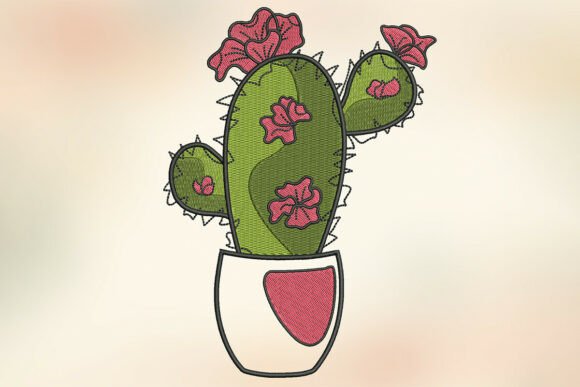
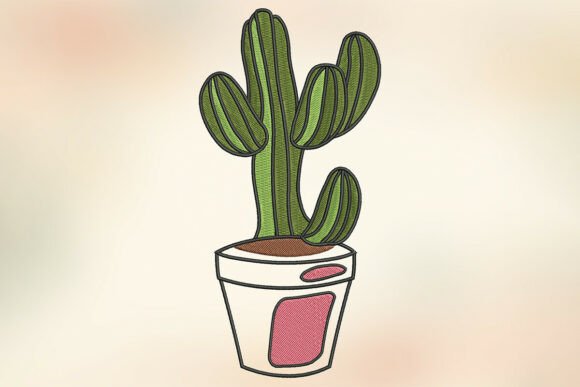
At first glance, the Cactus Embroidery Design feels like a modern take on a classic motif. Its clean lines and subtle shading give it a minimalist vibe that’s both approachable and sophisticated. The cactus shape is well-proportioned, with a slight curve that adds a touch of elegance. There’s no overwhelming detail, which makes it versatile for different applications—whether it’s a small patch or a large tote bag design.
The layout is straightforward, making it easy to stitch without confusion. The design uses a combination of satin stitch and running stitch to create depth and texture. This mix gives the cactus a soft, organic feel rather than a rigid, mechanical one. It’s this balance that makes it ideal for both personal use and commercial projects.
Real-Life Use Case: Custom Apparel and Personalized Gifts
I recently considered using the Cactus Embroidery Design for a custom sweatshirt order. The client wanted something simple yet meaningful—something that would work well on a dark fabric. The design’s lightness made it perfect for a black t-shirt, and its clean outline ensured it wouldn’t look cluttered. It also had enough detail to be visually engaging without being too busy.
Another scenario I thought about was creating a personalized gift for a friend’s birthday. A cactus embroidered on a baby onesie or a pillow cover would add a touch of whimsy and charm. The design’s versatility allows it to adapt to various themes, from bohemian to rustic, depending on the fabric and color choices.
Practical Considerations: Where to Use and When to Be Cautious
While the Cactus Embroidery Design is generally adaptable, there are situations where it might require extra attention. For example, using it on thin or stretchy fabrics can lead to distortion, especially if the hoop size isn’t appropriate. I recommend testing the design on scrap fabric first to ensure it holds up under tension.
On darker fabrics, the design may appear less vibrant unless the thread colors are chosen carefully. A high-contrast thread, such as white or gold, can make the cactus pop against a black or navy background. Additionally, when working with textured fabrics, the design’s fine details might get lost, so using a proper stabilizer is essential.
For small hoop sizes, the design should still work well, provided the stitch density is manageable. However, if the design includes intricate corners or detailed accents, it might be better suited for larger hoops to avoid overcrowding the stitches.
Design Quality and Visual Appeal
The Cactus Embroidery Design has a clear visual appeal that translates well to finished products. Its simplicity allows for easy customization, whether you’re adjusting the size, color, or placement. It’s also highly recognizable, which is important for branding and customer recognition.
From a professional standpoint, the design supports brand consistency by offering a reliable template that can be used across multiple products. Whether it’s a digital embroidery file for an Etsy shop or a printable mockup for a boutique, the Cactus Embroidery Design maintains its integrity and quality.
Handmade Product Value and Customer Trust
When designing for handmade products, the ability to deliver a polished, professional result is key. The Cactus Embroidery Design helps achieve that by providing a clean, well-structured pattern that doesn’t require excessive tweaking. This saves time and effort, allowing the creator to focus on the overall presentation.
Customers appreciate designs that look intentional and well-crafted. The Cactus Embroidery Design meets this expectation by offering a balanced mix of detail and simplicity. It’s the kind of design that can elevate a basic product into something memorable, especially when paired with thoughtful fabric and thread choices.
Designer Notes for Real Projects
Before using the Cactus Embroidery Design in a final project, I recommend a few steps to ensure success:
- Test on scrap fabric to check stitch flow and appearance.
- Review thread color contrast to ensure visibility on the intended fabric.
- Confirm hoop size and stitch density to avoid overcrowding or distortion.
- Inspect small details for clarity and precision.
- Use proper stabilizer to maintain fabric stability during stitching.
- Test in black and white mockups to assess design clarity.
- Compare light and dark fabric backgrounds for optimal visual impact.
- Check licensing terms before selling finished items or digital products.
These steps will help ensure the Cactus Embroidery Design performs as expected, whether it’s for a single handmade item or a full line of commercial embroidery products.
Final Thoughts: A Versatile Addition to Your Design Toolkit
The Cactus Embroidery Design is more than just a decorative element—it’s a practical choice for designers looking to expand their offerings. Its adaptability, clean design, and visual appeal make it a great addition to any craft business or small shop product line. Whether you’re creating custom apparel, holiday gifts, or personalized items, this design offers a reliable and stylish option.